

Adults often reassure children quickly. “You’re fine.” “Don’t worry.” “There’s nothing to be scared of.” Most of the time, we mean it kindly. We want to calm the child and help them through the moment.
But children also need practice noticing what their bodies are telling them. Butterflies, tight shoulders, a racing heart or a funny tummy can be clues. Not always danger signals, not always instructions, but clues worth noticing.
What Interoception Means In Everyday Language
Interoception is the sense that helps us notice internal body signals such as hunger, thirst, heartbeat, breathing, nausea, needing the toilet or butterflies in the tummy. It is one part of how children learn to connect body feelings with emotions and needs.
For some children, especially neurodivergent children, those signals can be hard to notice or hard to interpret. A child may not realise they are hungry until they melt down, or may feel anxious body sensations without knowing what they mean.
Why “Don’t Worry” Is Not Always Enough
Reassurance can help in the short term, but if adults always override the child’s body message, the child may miss the chance to practise checking in with themselves.
A more useful pattern can be: notice the body clue, check the situation, then choose what to do next. That does not mean children should be ruled by fear. It means they learn to listen, think and ask for help.
A Gentle Safety Note
This is not medical advice, and it is not about making children suspicious of everything. It is about helping them build body awareness, emotional language and safe decision-making. If a child has ongoing anxiety, distress or body-signal difficulties, it is worth talking with a qualified health professional.
Further Reading
For a parent-friendly starting point, look for resources on interoception, child anxiety, family accommodation and body safety. Research in these areas consistently points to the value of helping children recognise feelings and practise coping skills rather than relying only on adult reassurance.
Featured Books
The Tummy Pup
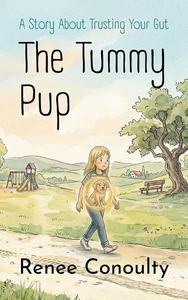
A gentle picture book introducing children to interoception, gut feelings and the Notice. Check. Choose. framework.
A Simple Way To Use This List
Choose the book that matches the child, reader or mood in front of you right now. You do not need the perfect reading plan. A good story at the right moment is enough.
If one title works well, follow the thread: same theme, same feeling, same kind of humour, or the same sort of character problem. That is often how casual browsing turns into a reading habit.